
Lydia (1941)

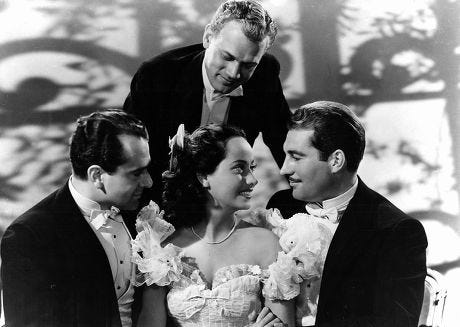
Julien Duvivier’s Lydia is likely doomed to remain underseen and misunderstood; as a "women's" picture, a melodrama, and an experimental one at that-- all things unattractive and out of trend-- an unofficial remake of Duvivier’s earlier, in some ways superior, Dance Card (or Dance Program), that film with a once in a lifetime catalogue of French legends, this one had to bout with all things Hollywood. Releasing the same year as Citizen Kane, another fiend of Flashback storytelling that popularized the form, by comparison Lydia is arguably more complex, with many angles that bring us to mistrust protagonists, especially the central character. In Lydia, it is a strong reaper of its curious, mysterious effects, perhaps more than Rashomon much later.
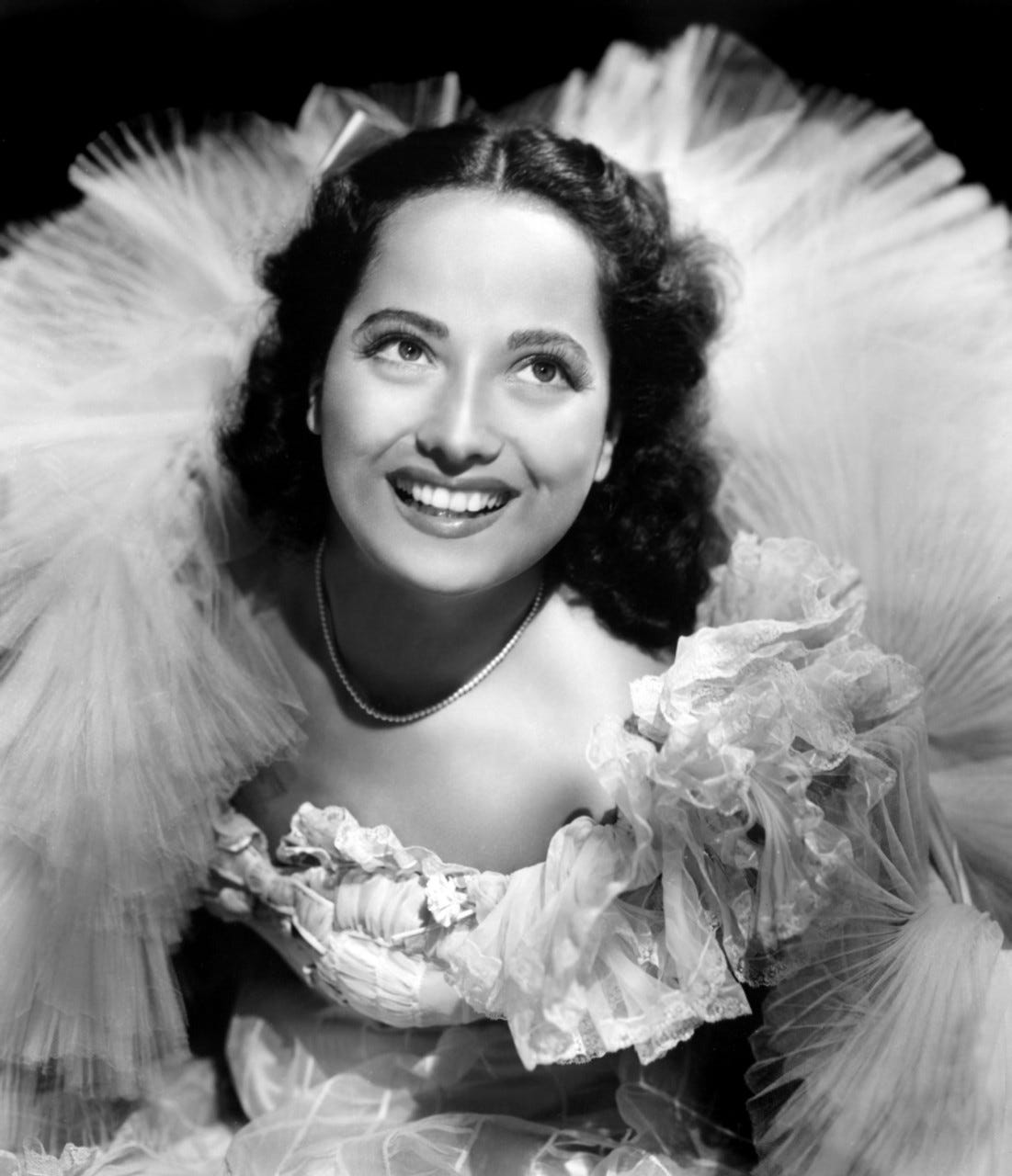
It is evident that most of the flak has been unduly endured by Merle Oberon. She, like her costars play both young an old versions of themselves that were, and still, much scrutinized. It is also an obvious vehicle for her after all, though critics of all sizes have been unkind to what is, to me, a devastating performance in a melancholic, complex system of narrative deceit, temporal ellipses, its conversation with the design renders the film enduringly modern. The mystery of memory, that Lydia is so believably unreliable and its implications is one of the ingredients that keeps its vitality.
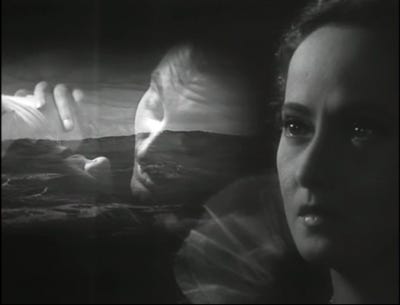
Duvivier's cinema here operates just as episodic as Dance Card, yet within a fluid progression of subjective buoyancy, oscillating, not as clean cut, though we do have hard chops from present to past in confident ways. The mantlepiece is the hot and heavy Romantic affair section late in the film at a seaside cabin blanketed in snow and ice, a building fortified by nude corpselike figureheads from dead seaships. Here, she has her only relationship of an obvious sexual nature, leaning on bravura silent film-like sets and technique with aggressive earthly elementals. This episode also exhibits a more pronounced manipulation of lighting, and a consistent positioning of the camera in the lower third, like Yasujiro Ozu or William Cameron Menzies. Lydia's narration is altered from what came before, and adds metaphysics, she proceeds almost as if she's in conversation with the past version of herself on the screen, coaching and berating that shade, as well as describing things that are at odds with what we see.
“Ask every woman – they know. Every woman is wise and foolish, clever and absurd, good and bad – just as Lydia was.” — Lydia
The perfect ending, a product of and a proof that censorship can aid art, that is, the kind that the Joseph Breen office was engaged in. I resist divulging such a story as it is spoilery, but at any rate it is a common misconception that the Motion Picture Production Code served only to redact, while in reality they were more of a collaborative presence in conversation with the filmmakers, or an extra author. This was, for the most part, not positive nor wholly negative, but it makes clear a difference between censorship systems in cases then and now, with the recent example of Disney's unceremonious, retroactive, and without notice tampering with The French Connection.
