Assorted "Reviews"

Recent selects.
Just happened to pop the top off of my patient Columbia Noir #5: Humphrey Bogart boxset with this one while the Nitrate “Festival” via the American Cinematheque played a full-fledged print to the public. Que double cera.
Dead Reckoning, 1946, John Cromwell, Indicator Bluray
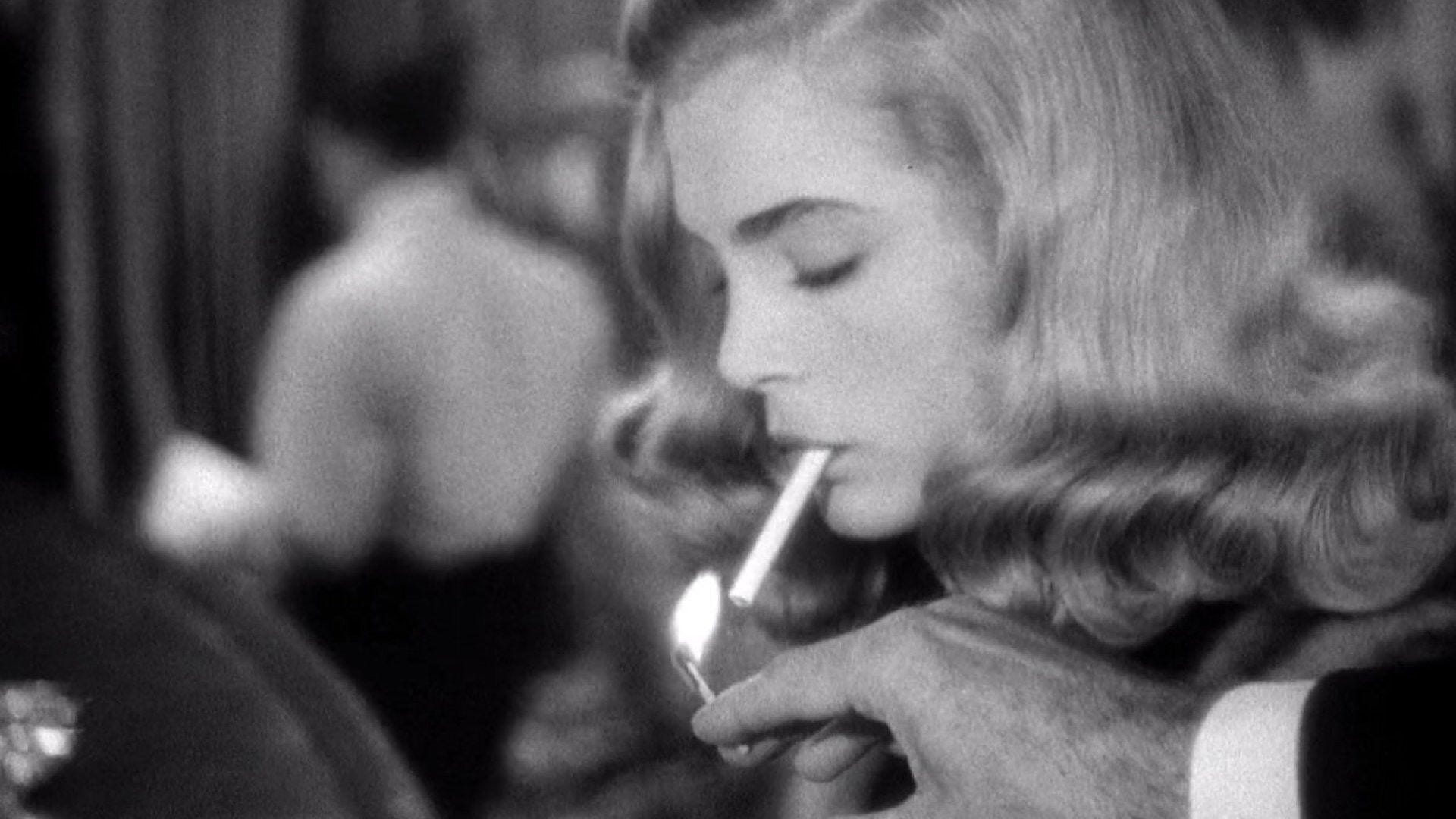
John Cromwell is a curious cinemaker, hardly any of his pictures are out and out totems yet Cromwell always had good collaborations and solid pictures. His wheelhouse, though he had been in pictures since the silents, is more true to his theater stomps. He is less interested in mise-en-scene, no matter how groovy it can bust (Since You Went Away, Made For Each Other, this one), more interested in the players, where many of these have strong standalone performances; Enchanted Cottage, Abe Lincoln in Illinois, Of Human Bondage.
Dead Reckoning is an ever so slight exception. It’s a good bid for the conversation, a Columbia-n noir vintage for the immediate postwar. Much of its typical returning GI detection story, replete with standard yet curious flashback device, is planar and customizable (Lisabeth Scott is probably the best candidate at this), giving us room to project our own fancies onto the characters, with a duality that keeps them enigmatic. On that note, Scott’s Mike/Dusty is among the particulary lethal Dames Insanes, contending darknesses like Blonde Ice. For “Boggy”, it’s a very, very Bogie role, to nobody’s objection.
It is worth noting Morris Carnovsky, who plays the gambler-baron Martinelli, developed a certain “The Group” theatre in the 1930s with his wife, proud members of the Communist Party, and were fingered by both Elia Kazan and Sterling Hayden at the HUAC hearings. John Cromwell, a liberal, was also tried, made it through clear, but nevertheless was blacklisted all but officially.
Mirages of Paris, 1933, Fedor Ozep, Digital File
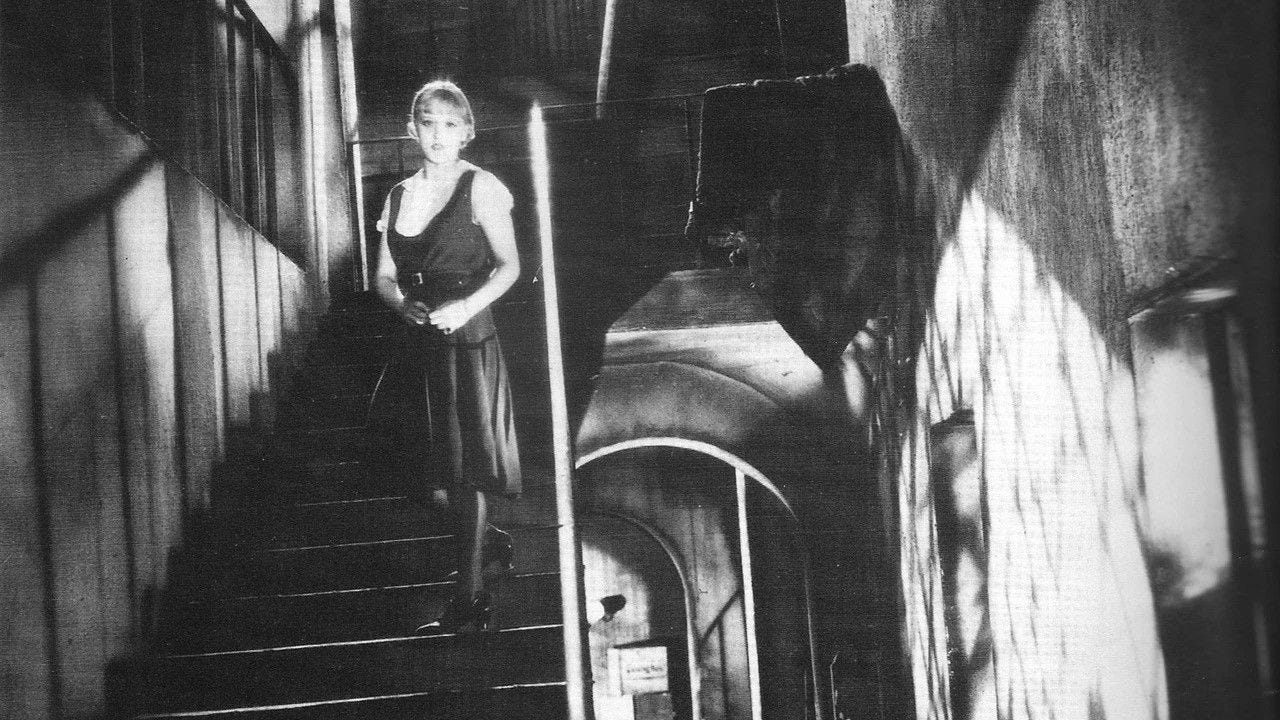
On top of its one-night After Hours form, It Should Happen To You and Chicago. The girl in the big city genre in an exhilarating melange of Russo-montage school, Franco Phantastica, Germanic architecture and elegance, several avant-garde guilds (the sight of the school's devilish Principal compels nature to wilt and to storm. A statue in the park, after it starts to rain, begins moving and produces an umbrella), screwball comedy, and clearly others I haven't been able to source yet. It's cut quickly but every image is suspended precisely enough for a sweet spot. Ends with a wonderful image of everyone in a full-house theater making out. Easy to see Raymond Durgnat's enthusiasm for Ozep after seeing this and Miss Mend, I wish the German version survived.
Driftwood, 1947, Allan Dwan, Youtube
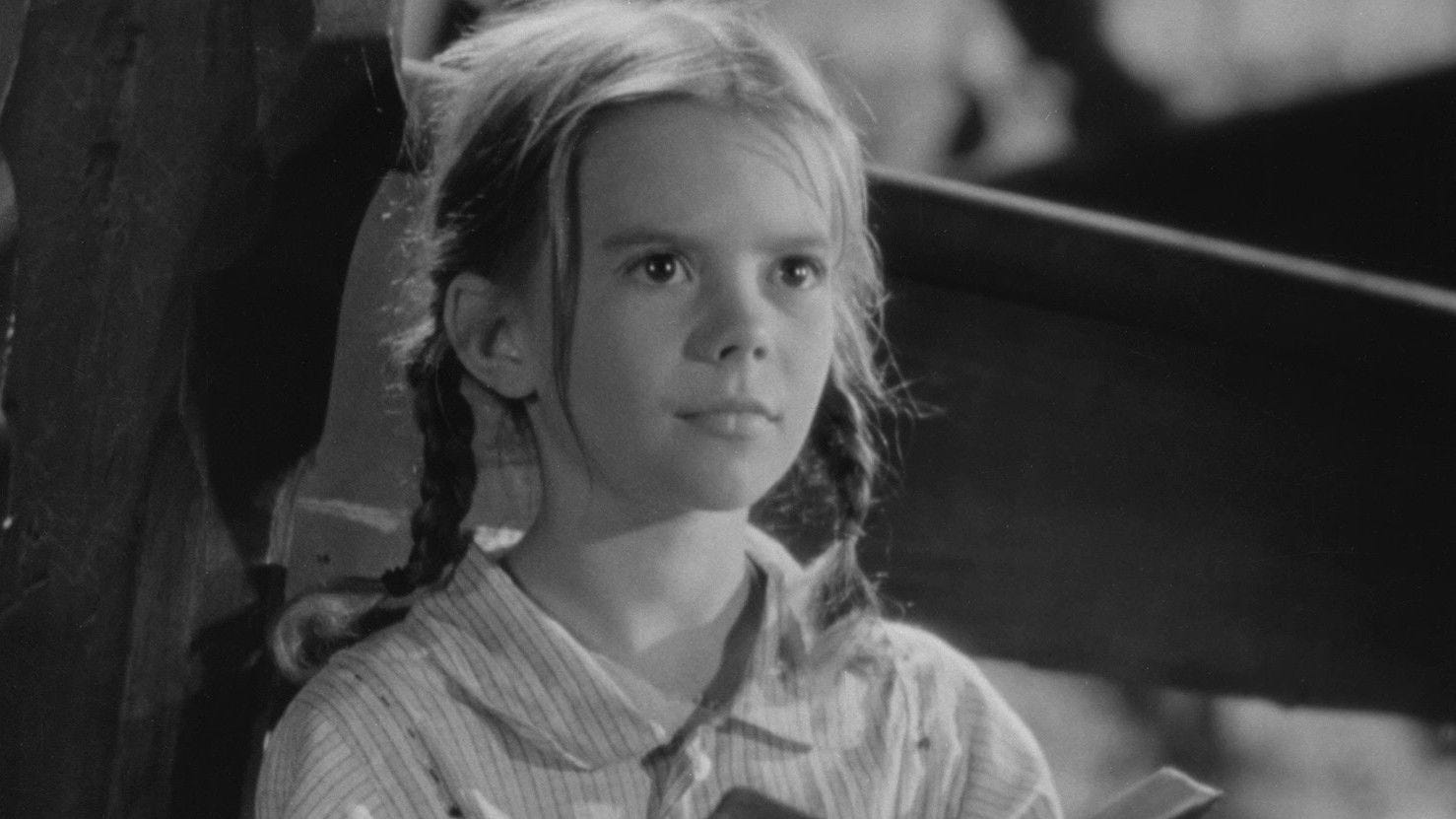
The titles appear, and the next vision is a ghost town that looks like a chunk of long gone boardwalk attraction, as if it were populated by sentient animatronic barnyarders. A tumbleweed, the terrestrial driftwood, guides us through the ruins to the movie. An old parson practically in stasis, as if penanced to sermon forever, dies. His only audience, a child, must explore the world, where she visited by God, the Old God, when a plane crashes in a fireball nearby. A dog emerges from the metal bird unscathed, joining the child. Bullfrog Springs, Nevada, the town of Panbucket eventually.
Natalie Wood’s Jenny is a near inverse of Lost Angel‘s poindexter Alpha at the stoop-- orphan raised on the Old Time Religion wanders into the adult world and its many fascinating confusions, quoting scripture along the way, responding to social conventions in a literal deconstruction to the local chagrin. The innocence touches everyone, but innocence is soon shed in growth-compromise (tragic) as the vaccine-defiant town is tortured by a calamitous epidemic.
A very strange movie, including a pocket scene featuring the miracle-Collie put to courtroom defending itself. Very Dwan in its fabric--the direction is formally forthright, deceptively guileless economy of sight and just-right, and there are dozens of times one can mark lines in the thoughtful screenplay are being said for the only time, due to the authentic awkwardness of near-flubbed comments. Sometimes characters fumble their properties. These lent a curious excitement. In anybody else’s hands it could be considered incompetence or neglect, but Dwan’s faith (and science) and compassion to his actors, perhaps is just like the guiding tumbleweed yokai. A leap of faith picture, one with a graceful eccentricity.
Annie Laurie, 1927, John S. Robertson, Kino Lorber Bluray
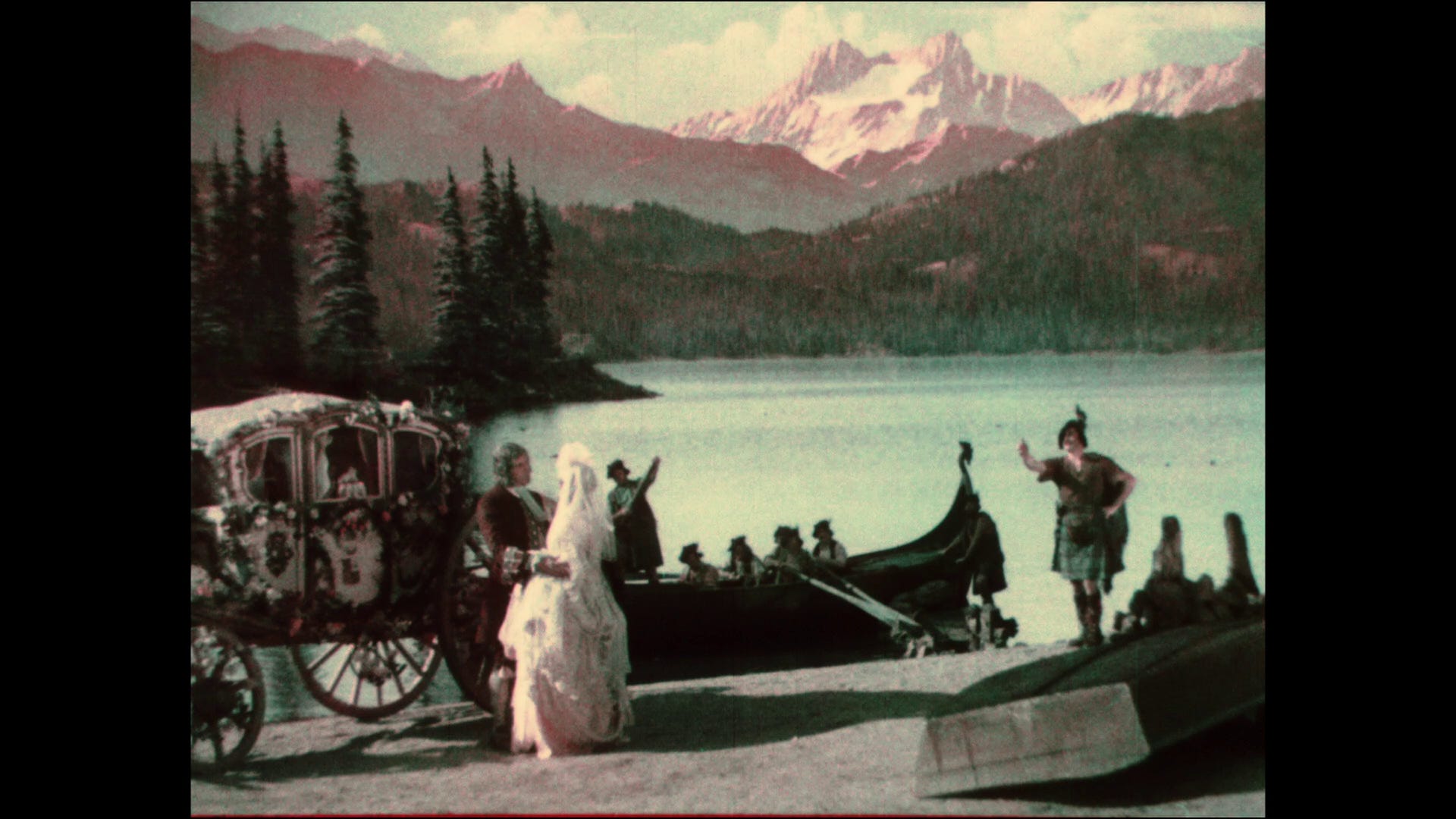
So much of Annie Laurie is won-melo with photography as painting as diorama. If I "wanted" anything out the back-end it was more Technicolor-2, but anyway. Childish. One of the gildy, becrested ambrosias of this little-told semi-epic, and one of the most light-headed instances I've had from pure drama, in anything, was a scene with Lillian Gish and Patricia Avery that, no matter what was happening in the context, cut my throat solely on its intimacy.
Love on Toast, 1937, E.A. Dupont, Okru

There is a pile in the warehouse of great Theater actresses, those who could have whooped movie acting’s ass who didn’t. Among this pile of sadness is Laurette Taylor, another is Stella Adler.
A Tour de Force in one motion: John Payne is washing in the bathroom, Ms Adler waits for him in the living room. She stumbles around in a microscopic body subtlety; a studying of the area. She finds a paper bag with a powdered donut, blows up the bag and pops it. She bites the donut, puts her dusted finger to her mouth, and sets the donut aside. An entire scene cycles. Minutes after the dramatic impact had come and gone, and even more after the specific action, she produces a contract. Setting the contract down ordering Payne to sign, Ms Adler absentmindedly and near invisibly puts the still-sweet finger to her lips.
Added later: I couple Taylor and Adler together because it’s true (if Stella had a more influential but secondhand effect through her students), but also because they both had similar notions on acting, especially in cultivating the imagination. And to link it. It’s awesome.
Carolina, 1934, Henry King, Youtube
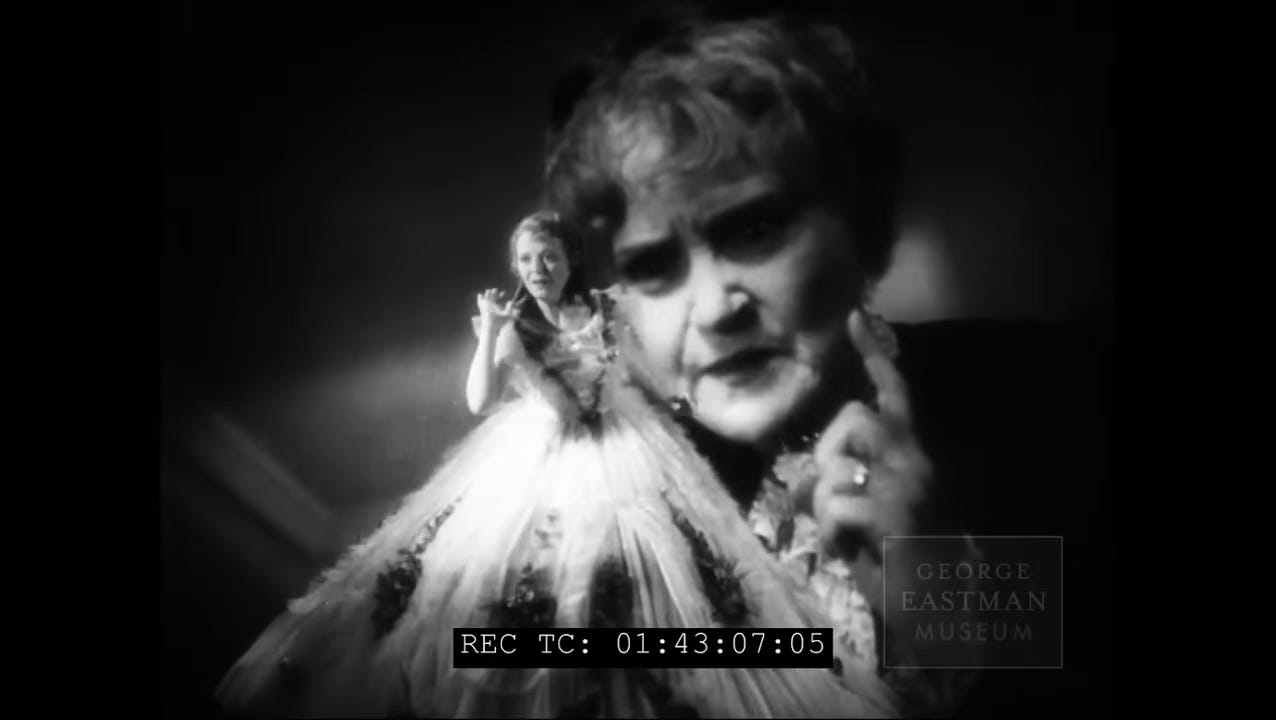
While its current entity (dubious print that surfaced on youtube) is compromised, with sinewed soundtrack gunk and lost frames (time ticker, watermark included):
This psychotic melo is open about its context. While it lives its world it very clearly takes to task the infantile Southern Postwar Existentialism and Aristo-Myth-fetish, satirizing the South as Atlantis. An exclamatory dream-sequence (I thought of Un Carnet de Bal and Father of the Bride), the performances and its mise-en-scene is diamond dust.
Irene, 1926, Alfred E. Green, Youtube
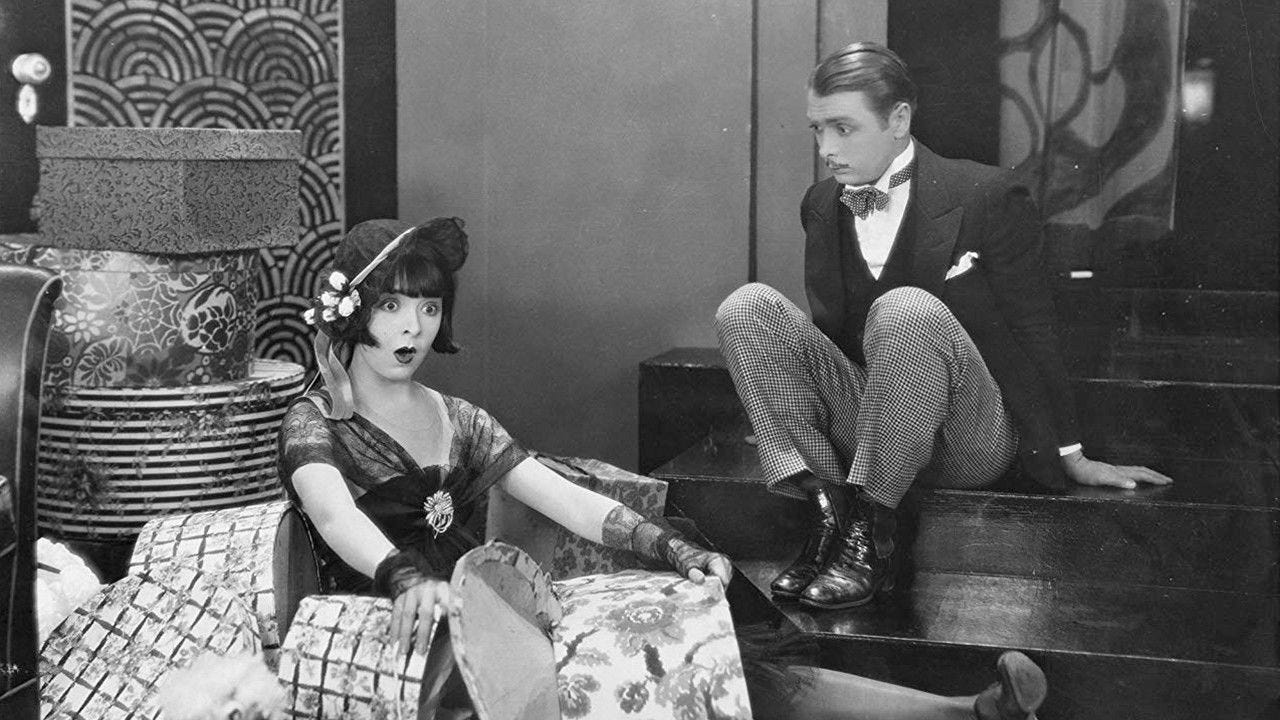
A repeat Green/Moore in the mould of urchin with spunk embarks rags 2 riches. The formula is resilient. The titles amuse, Moore has some big stunts (doubled but nevermind), a programmer with as rhapsodic a Technicolor fashion show as allowed, in the tradition later beefed for The Women. Requiem: in the unrestored LoC print the blue filament has faded and we're strictly Ruby. Important: a character named Madame Lucy is a very gay guy who, after sorting confusion with people he meets regarding the name, is carried on matter of fact rather than at expense.
Crazy Enough, 2013, Lance McDaniel, Tubi
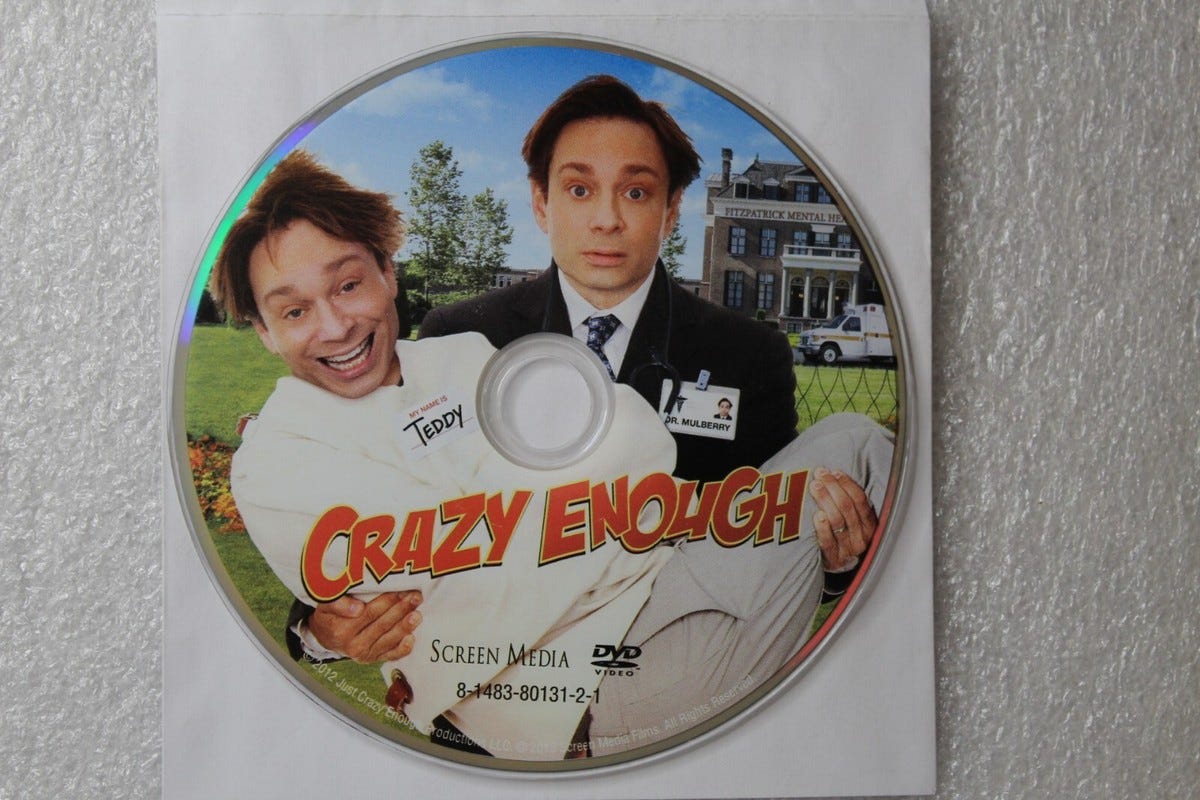
On the level perhaps underrated this. Chris Kattan commits and it trickles down. Like many things, it is what it looks like, yet it is not; it is maybe the closest thing CK has to a “Jerry Lewis movie”, and a zany cruise while the graceless formal obligations crater it. There is a premium credit offered by its humor on occasion, and a fun bit character (apparently improvised) by Jon Beck Reed as Ned, the bookworm who lives exclusively through fiction literature (That makes him “crazy”). The most intimate surprise is a goofy, dastardly, dickheaded score from Flaming Lip Steve Drozd, I wish it were isolated in some way. All in all, it deals with the material more affably than most in 2012 would and did, this low budget movie from Oklahoma utilizing Oklahoma local actors.
There is a poster of My Five Wives in the mental institution.
Harum Scarum, 1965, Gene Nelson, Warner Archive Bluray
![Harum Scarum (1965) [Warner Archive Blu-ray review] | AndersonVision](https://substackcdn.com/image/fetch/$s_!4z8U!,f_auto,q_auto:good,fl_progressive:steep/https%3A%2F%2Fsubstack-post-media.s3.amazonaws.com%2Fpublic%2Fimages%2F8824c5db-179c-4619-b688-2a33ba0bc66d_2560x1440.jpeg "Harum Scarum (1965) [Warner Archive Blu-ray review] | AndersonVision")
Elvis is bored gravel in this one, the most insanely plotted Elvisesque: Elvis visits the middle east to premiere a White Orientalist fantasy movie he stars in, only to do one "in real life". He is kidnapped by local mercenary coup detat-ists, held hostage not for ransom but forced to kill a king. He reluctantly accrues more plotting, not to mention slaves, and after also reluctantly performing some of his worst songs (not including the finale where he says Romeo should have dicked-down 100 women instead of wasting on Juliet), it reveals the heavies want to let a foreign corporation drill for black cash. Beautiful looking movie though. He is an American, which means nothing.
Glass Onion, 2022, Rian Johnson, Revisit, Streaming
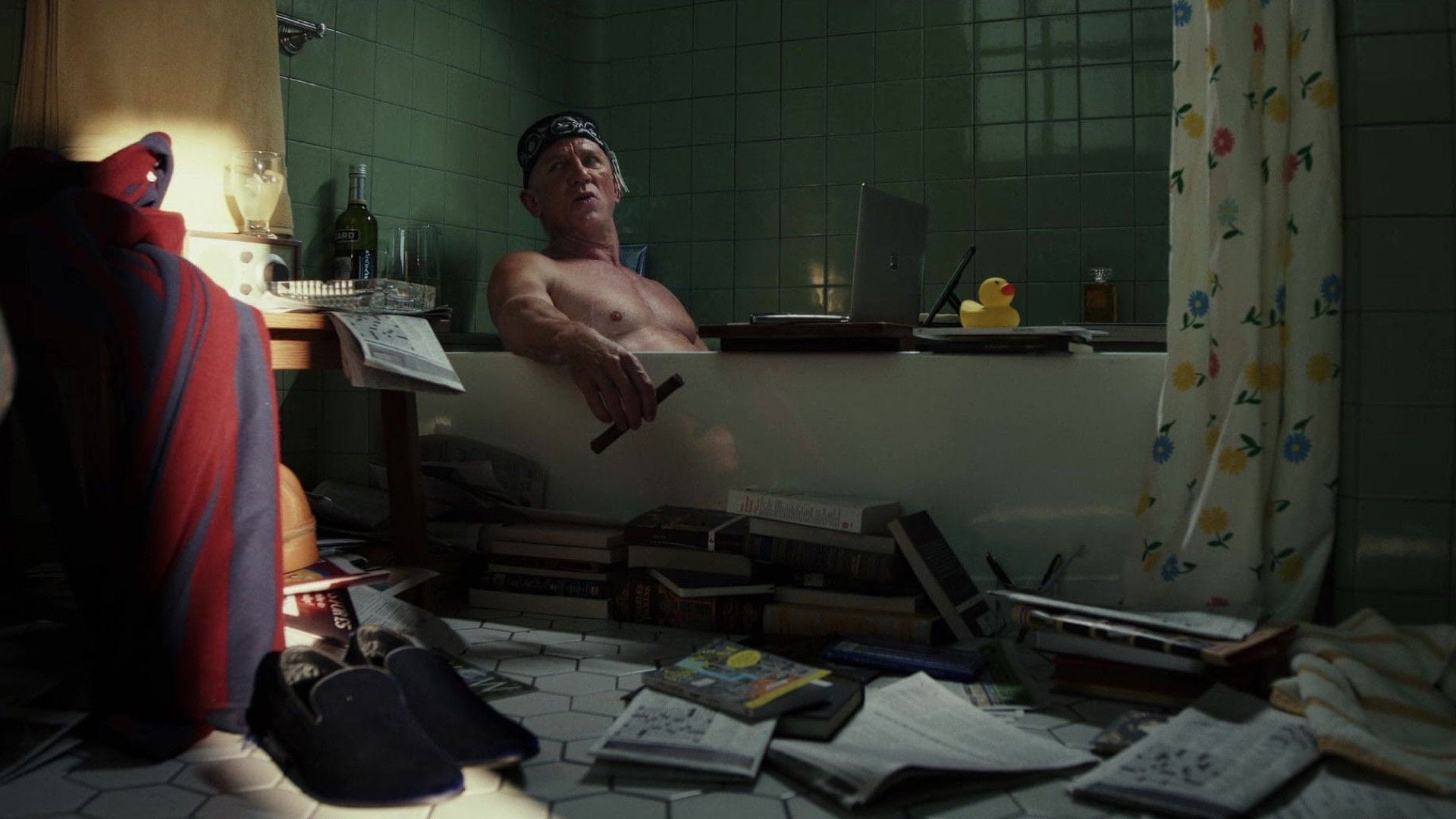
All the annoying gristle from timely Post/Covid seems a lot funnier now, ridiculous mercurials like Blanc playing ‘Mong Us with the late Madame Lansbury and Kareem Abdul Jabbar, and so on. A case for the charm of instant dating.
FTR I’d forgotten 99% of this, the 1% being it felt pretentious and geared for the reflexive reading, but now that distance has gained that aspect has more or less rinsed away. The characters are more broadly drawn than simply being avatars of specific elite. The sets here are quite something, dispensing the musty cottage-core of the first one for a tacky, opulent plastic, buttress, buttress, like a stronghold of vanity on Krypton.
Seeing the Replay Flashback (Twice Tolds), sometimes fragmented and then a large one that provides new information on old scenes from an alternate, parallel perspective, is such design in the tradition of Mildred Pierce. Even further back one could cite Lois Weber’s Suspense or Griffith. It’s why I like these movies, why there is an appetite, and what I admire about RJ as a conductor: there is an anticipation in what he will do to bend narrative conventions.
If anything, it speaks to the basic element that it’s just fun to watch someone delight in their character, especially archetypal ones.
The Fuller Brush Man, 1948, S. Sylvan Simon, Okru
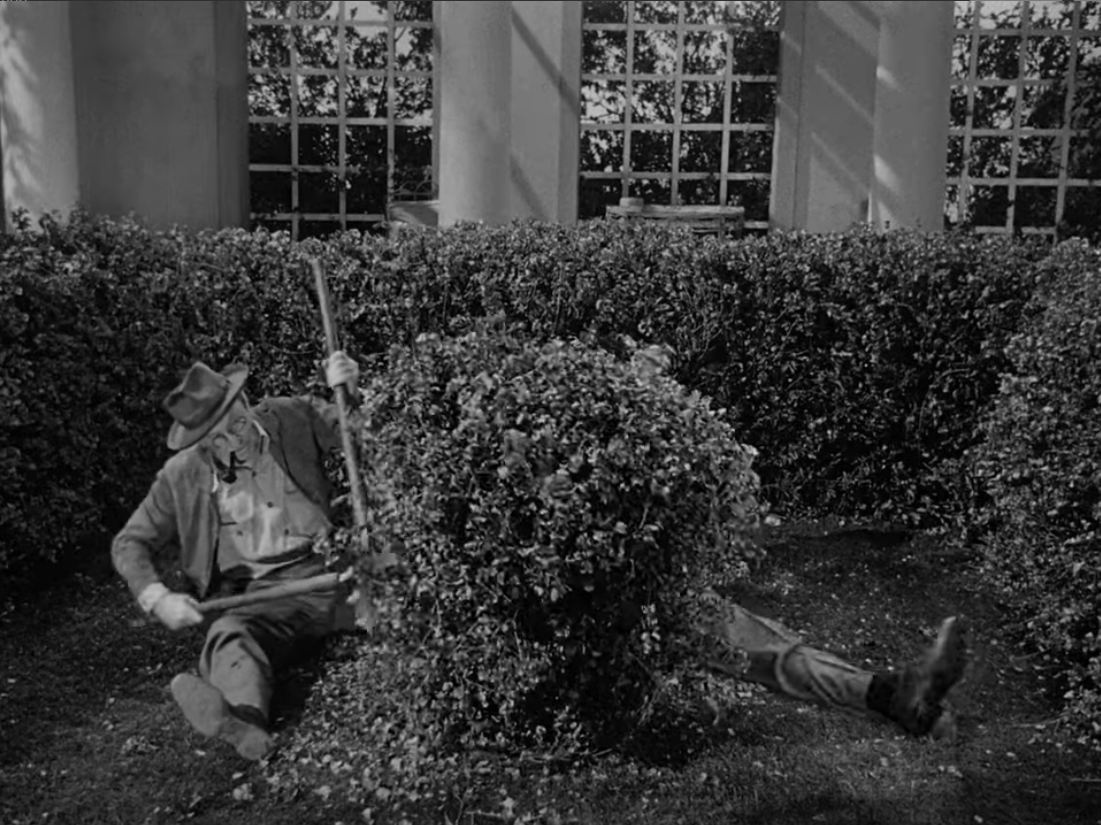
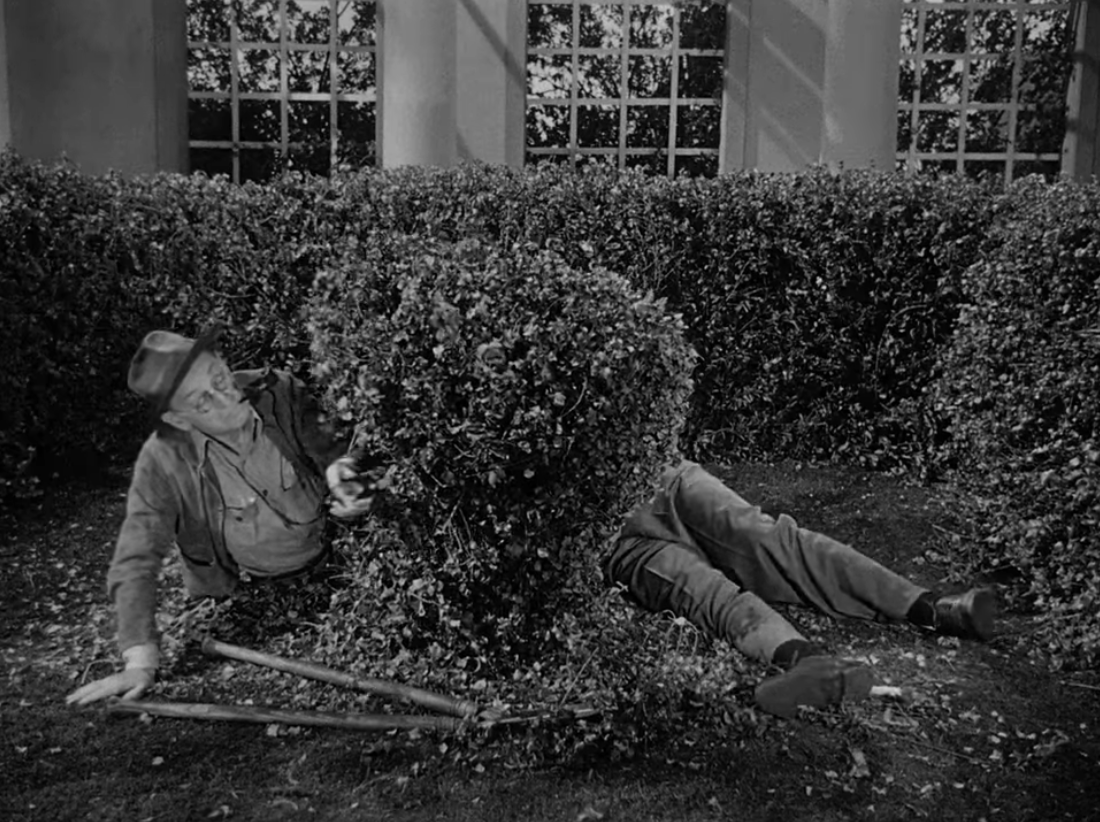
Tash didn’t direct, but you coulda fooled me--his motion is on this soup-to-nuts. Even the title--now superdated cultural antiques like this real 20th century iconic cryptid (the traveling salesman himself) and The Diner’s Club, etc.--nods to the product-forward Populuxica innuendo abreast to Tash’s racket by some fate.
The most successful cocktail of slapstick murder mystery this side of Murder, He Says. Among the dozens of geometric/planimetric gags, is a direct excessory, an homage comment to Buster Keaton’s most famous image, as well as one of the Marx Bros’ when Red crams 6 or so people into his tiny kitchen.
Wokely re-adapted with Lucille Ball.
Hatari!, 1962, Howard Hawks, Kino Lorber Bluray
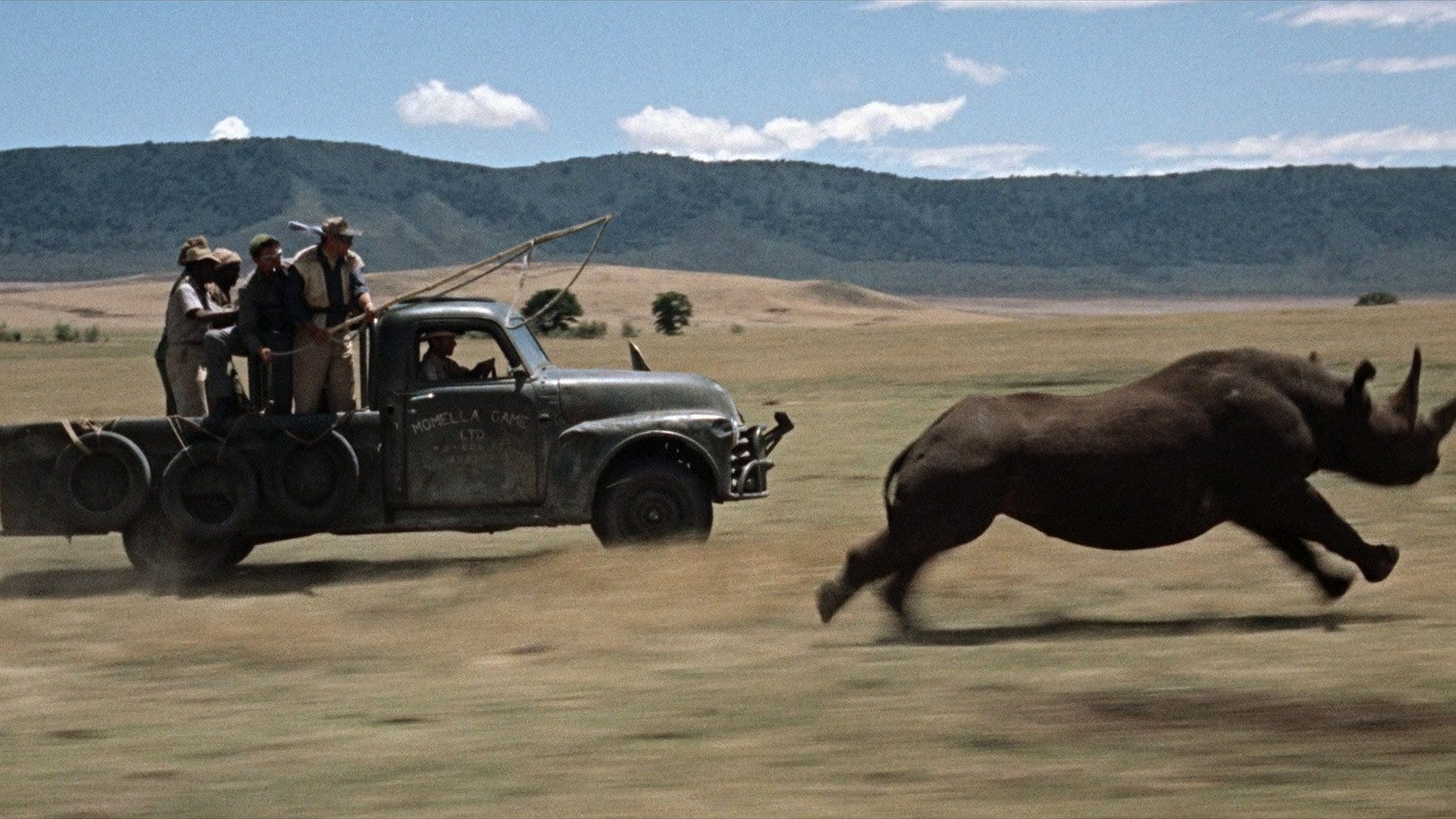
A mastodon movie about nothing; sublimating the crystal, the nucleus of Howard Hawks ecstasy, where everything flexibly, spontaneously happens in freedom while servicing character function, to propel or divert the specialists. It is perhaps the most accessible of his pictures, as casual and tetherless as it is. Those hip to or fans of Hawks will get the most dividends, but I find it hard to imagine the average, sympathetic person invulnerable to its lusty rhythm, or at the very least the panoply of critters.
The Last Hunt, 1956, Richard Brooks, Warner Archive Bluray
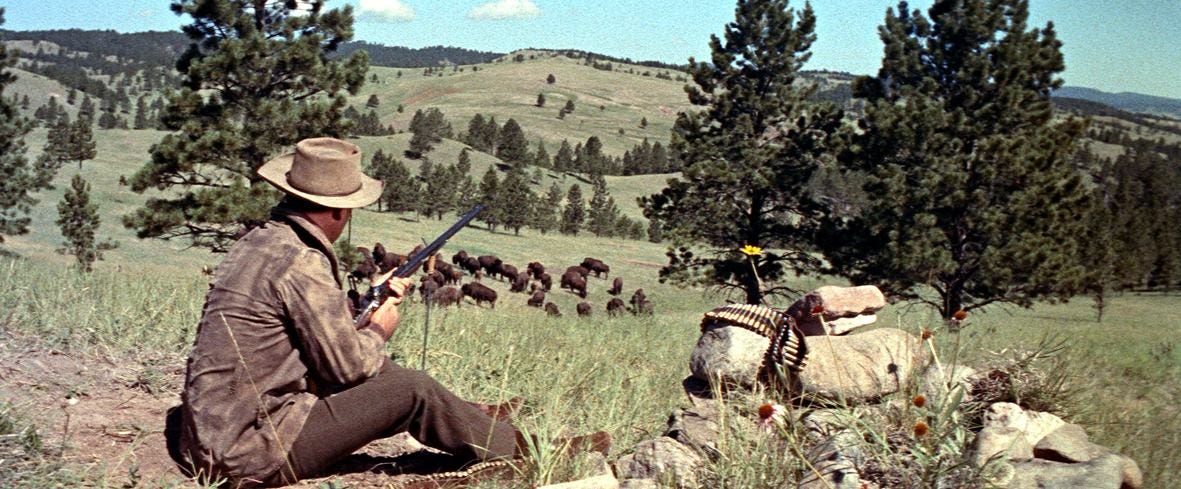
Horrifying chapter not much featured on film up to this point I’d imagine, and while it doesn’t take much to be effective it is tastefully photographed. It is relentless in its depictions in some of the most heinous crimes to the frontier, the attitudes of people and persons like Robert Taylor’s racist psychopath thrown about like garlands, puts it thematically in leagues like The Searchers. By that by, Taylor’s Charlie Wilson takes the Demon Award over Ethan Edwards. It is message forward through all the attempts to instill conversion empathy into far-gone Taylor, and the motley gang endures the genocidal maniac in their midst partially to honor a business contract but mostly because nobody can outgun him.
There is no varnish on its subject, save for a Hollywood ending, but it’s not quite what you’d expect, especially as a series of anti-climaxes leading up to the striking chord on the imagery. Lloyd Nolan’s Buffalo Prospector early on even gets a monologue in probably the longest take in the picture, curiously, but it is quite the grandstand. Not for everybody but the audacity therein is supported with the sentimentality of its rounded cast by Granger, Tamblyn, Nolan and Paget, and makes it glide. Also still thinking about the blarney interlude with Granger going on a bender.
From a comment on Toby Roan’s blog: In one scene, the Lakota tribe are waiting for the arrival of government beef. Dewey Beard(1858-1955) and wife Alice show disappointment when told the cattle haven’t arrived. Dewey Beard was actually Wasa Mazu, a Minneconjou Lakota, who was the last living survivor of the Battle of Little Big Horn. He latter joined the Ghost Dance Movement and was wounded at Wounded Knee, South Dakota. Dewey Beard(his Christian name) later was a member of Buffalo Bill Cody’s Wild West Show.